
What Causes Tooth Sensitivity and How Can You Treat It?
What Causes Tooth Sensitivity and How Can You Treat It?
Have you ever taken a sip of hot tea, enjoyed a cold drink, or eaten ice cream only to feel a sudden, sharp pain in your teeth? If this happens regularly, you may be dealing with tooth sensitivity.
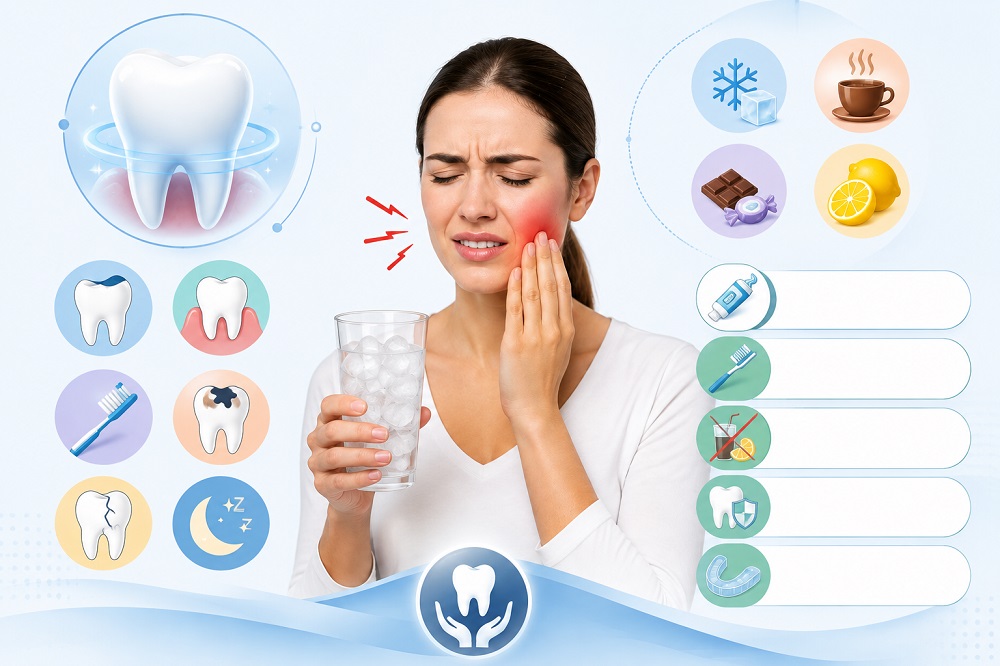
Tooth sensitivity is a common dental concern and can happen for several reasons. Sometimes it is caused by something simple, such as brushing too hard, while in other cases it may be linked to cavities, gum recession, enamel erosion, or a cracked tooth.
The good news is that sensitive teeth can often be treated once the underlying cause is identified. If you are experiencing frequent discomfort, visiting the best dentist in Pitampura can help you understand what is causing the sensitivity and what treatment may be suitable for you.
What Is Tooth Sensitivity?
Tooth sensitivity, also known as dentin hypersensitivity, occurs when the protective enamel of a tooth becomes worn down or when the gums recede and expose sensitive areas.
Under the enamel lies a layer called dentin. It contains tiny channels that connect toward the inner part of the tooth. When dentin becomes exposed, hot, cold, sweet, or acidic foods and drinks can trigger a sharp sensation.
Sensitivity may occur when you:
- Drink hot tea or coffee
- Eat ice cream
- Drink cold water
- Eat sweets
- Consume acidic foods
- Brush or floss
- Breathe in cold air
The pain is often brief, but repeated or worsening sensitivity shouldn’t be ignored.
What Causes Tooth Sensitivity?
There isn’t one single cause of sensitive teeth. Several everyday habits and dental conditions can contribute to the problem.
1. Enamel Erosion
Enamel protects your teeth from everyday wear and temperature changes. Although it is extremely strong, it can gradually wear away.
Frequent consumption of acidic foods and drinks, such as soft drinks, citrus fruits, energy drinks, and certain juices, can contribute to enamel erosion.
As the enamel becomes thinner, the underlying dentin can become exposed, making the tooth more sensitive.
2. Gum Recession
Your gums provide protection to the roots of your teeth. When gums recede, the roots can become exposed.
Unlike the crown of a tooth, the root does not have a protective enamel covering. This makes exposed roots more sensitive to cold, heat, and touch.
Gum recession can be associated with gum disease, aggressive brushing, or other factors.
3. Brushing Too Hard
Many people think that brushing harder means cleaner teeth. Unfortunately, excessive brushing pressure can do more harm than good.
Using too much force can contribute to enamel wear and gum recession. A soft-bristled toothbrush combined with gentle brushing is generally a better approach.
If you’re unsure about your brushing technique, a best dentist in Pitampura can show you how to clean your teeth effectively without putting unnecessary pressure on them.
4. Tooth Decay
A cavity can cause sensitivity, especially when it reaches deeper layers of the tooth.
You might notice a sharp sensation when eating sweets or drinking something cold. As decay progresses, discomfort may become more frequent.
This is why it is important not to assume that every sensitive tooth simply needs sensitive-tooth toothpaste. Sometimes sensitivity is an early warning sign of tooth decay.
5. Cracked or Chipped Teeth
A cracked tooth may become sensitive when you eat, drink, or bite down.
Small cracks aren’t always visible in a mirror. If one particular tooth suddenly becomes sensitive or hurts when you bite, a dental examination can help determine whether a crack or other damage is responsible.
6. Teeth Grinding
Teeth grinding, or bruxism, can gradually wear down the enamel and put excessive pressure on your teeth.
Some people grind their teeth while sleeping without realizing it. Over time, this can contribute to sensitivity, worn teeth, cracks, and jaw discomfort.
If you regularly wake up with jaw soreness or headaches, talk to your dentist about whether teeth grinding could be contributing to your symptoms.
7. Recent Dental Treatment
Temporary sensitivity can sometimes occur after procedures such as teeth whitening, fillings, crowns, or other dental treatments.
In many cases, this sensitivity gradually settles. However, if the discomfort persists or becomes worse, it’s a good idea to contact your dentist.
How Can Tooth Sensitivity Be Treated?
Treatment depends on what is causing the sensitivity. Your dentist may recommend simple changes to your routine or professional treatment depending on the condition of your teeth.
Use Toothpaste for Sensitive Teeth
Desensitizing toothpaste can help reduce sensitivity for many people. It contains ingredients designed to reduce the transmission of sensations through exposed dentin.
It may take several uses before you notice a significant improvement, so consistency matters.
Brush More Gently
If you tend to brush aggressively, try reducing the pressure.
Choose a soft-bristled toothbrush and use gentle movements. Brushing twice a day for around two minutes is generally more beneficial than scrubbing your teeth forcefully.
Reduce Acidic Foods and Drinks
Frequent exposure to acids can weaken tooth enamel.
Try to limit your consumption of soft drinks, acidic juices, and other highly acidic foods and beverages. Drinking water afterward can help rinse your mouth.
It’s also advisable not to brush immediately after consuming acidic foods or drinks because the enamel can temporarily become softer.
Treat Tooth Decay
If a cavity is responsible for your sensitivity, professional treatment may be necessary.
Depending on how advanced the decay is, treatment could involve a filling, crown, root canal treatment, or another restorative procedure.
Treat Gum Problems
If gum recession or gum disease is contributing to your sensitivity, treating the underlying gum problem is important.
Good oral hygiene at home, professional dental cleaning when required, and regular checkups can help protect your gums and teeth.
When Should You See a Dentist?
Not every case of tooth sensitivity requires immediate treatment, but you should consider seeing a dentist if:
- Your sensitivity is becoming more frequent
- The pain lasts for a long time
- One particular tooth is especially sensitive
- You experience pain while biting
- Your gums are swollen or bleeding
- You notice a crack or hole in a tooth
- Sensitivity is interfering with your eating habits
- Home care isn’t helping
A professional examination can help determine whether your sensitivity is caused by enamel erosion, gum recession, tooth decay, grinding, or another dental condition.
If you’re searching for the best dentist in Pitampura, consider choosing a dental professional who takes time to identify the underlying cause rather than simply treating the symptom.
Can Tooth Sensitivity Be Prevented?
You may not be able to prevent every cause of sensitivity, but some simple habits can significantly reduce your risk.
Brush Twice a Day
Maintain a consistent brushing routine using a soft-bristled toothbrush and gentle pressure.
Floss Regularly
Cleaning between your teeth helps remove plaque and food particles that your toothbrush cannot reach.
Limit Sugary and Acidic Foods
Frequent exposure to sugar and acids can increase the risk of cavities and enamel erosion. Try to consume them in moderation.
Don’t Use Your Teeth as Tools
Opening packets or bottles with your teeth can cause cracks and chips. Use the appropriate tool instead.
Address Teeth Grinding
If you grind or clench your teeth, speak with a dentist. Depending on your situation, a protective night guard may be recommended.
Don’t Skip Dental Checkups
Regular dental examinations can help identify cavities, gum problems, enamel wear, and other concerns before they become more complicated.
How to Choose the Right Dental Clinic
If you’re looking for a dental clinic in Pitampura, consider more than just location or price.
A good dental clinic should provide thorough examinations and explain your treatment options clearly. You should feel comfortable asking questions about your symptoms, the cause of your sensitivity, and the treatments being recommended.
Before choosing a dentist, you may want to consider:
- Experience and qualifications
- Range of dental treatments offered
- Approach to patient care
- Hygiene and sterilization standards
- Availability of modern diagnostic methods
- Patient reviews and experiences
Most importantly, choose a professional who listens to your concerns and creates a treatment plan based on your individual needs.
Can Sensitive Teeth Become Normal Again?
In many cases, sensitivity can improve once its underlying cause is addressed.
For example, switching to a softer toothbrush, improving your brushing technique, using desensitizing toothpaste, or reducing acidic foods may help.
However, sensitivity caused by a cavity, cracked tooth, gum disease, or significant enamel damage may require professional treatment.
This is why simply avoiding cold drinks or ice cream may not solve the actual problem.
A consultation with the best dentist in Pitampura can help determine what is happening and whether you need treatment.
Why You Shouldn’t Ignore Tooth Sensitivity
It can be tempting to ignore sensitivity if the pain disappears quickly. But if it keeps coming back, your teeth may be trying to tell you that something needs attention.
A small cavity, gum problem, or enamel issue can potentially become more complicated when left untreated.
Getting an early dental evaluation can help you understand the cause and address the problem before it affects your daily life.
Final Thoughts
Tooth sensitivity can make simple pleasures like drinking coffee or enjoying ice cream uncomfortable. Fortunately, it is often manageable with the right care.
Enamel erosion, gum recession, cavities, cracked teeth, teeth grinding, and certain dental treatments can all contribute to sensitivity. The key is to identify the cause rather than simply avoiding foods that trigger discomfort.
If you have persistent or worsening sensitivity, consider visiting a best dentist in Pitampura for a proper evaluation. With professional guidance and good daily oral-care habits, you can protect your teeth and enjoy a healthier, more comfortable smile.
If you’re considering a dental clinic in Pitampura for your sensitivity or other dental concerns, scheduling an examination is a simple first step toward understanding your oral health and finding the right solution.