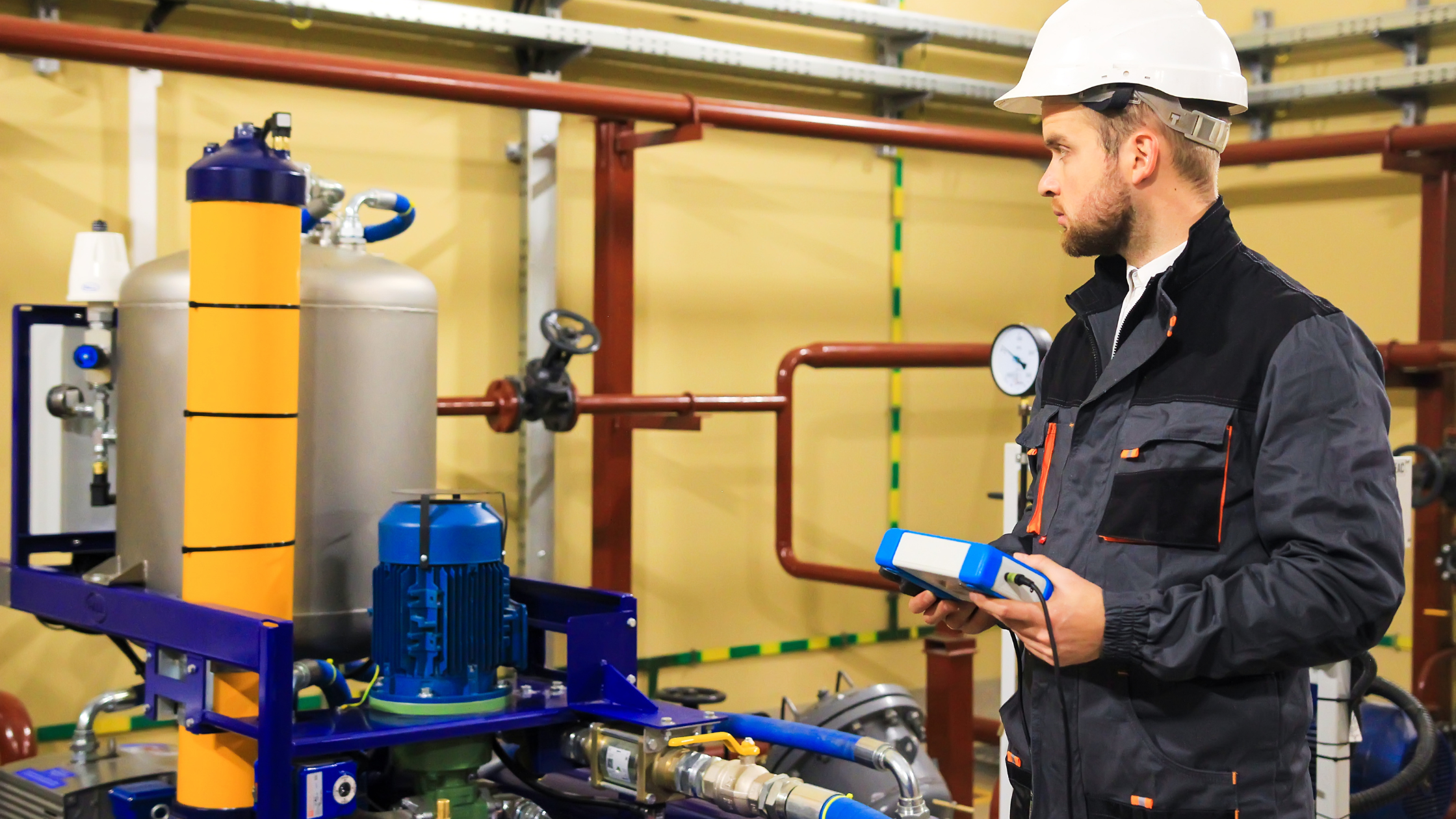
Modern Buildings: Why MEP Design is More Important Than Ever?
When people admire a beautifully designed building, they usually notice the architecture, the glass façade, or the interior finishes. What they don’t see is the intricate system working behind the walls — silently ensuring comfort, safety, and functionality. This invisible system is what we call MEP Design.
MEP (Mechanical, Electrical, and Plumbing) design is the backbone of any building, whether it’s a residential home, a commercial complex, or a large-scale industrial facility. Without it, even the most visually stunning structure would be unlivable and inefficient.
In today’s fast-evolving construction industry, MEP design is no longer just about placing pipes and wires. It has become a strategic discipline that directly impacts energy efficiency, sustainability, cost control, and overall building performance.
Let’s dive deep into why MEP design services matters, how it works, and what makes it critical in modern construction.
What is MEP Design?
It refers to the planning and integration of three core systems in a building:
1. Mechanical Systems
This includes:
- HVAC (Heating, Ventilation, and Air Conditioning)
- Climate control systems
- Ventilation and air quality management
Mechanical systems ensure that occupants experience a comfortable indoor environment regardless of external conditions.
2. Electrical Systems
This covers:
- Power distribution
- Lighting design
- Backup systems (generators, UPS)
- Fire alarms and security systems
Electrical design is crucial not only for functionality but also for safety and energy efficiency.
3. Plumbing Systems
This includes:
- Water supply
- Drainage systems
- Sewage systems
- Stormwater management
Plumbing ensures hygiene, water conservation, and efficient waste management.
Why MEP Design is Critical in Modern Construction?
In the past, MEP systems were often treated as secondary elements. Today, they are central to building performance.
1. Energy Efficiency and Sustainability
With rising energy costs and environmental concerns, buildings are expected to be energy-efficient. MEP systems play a major role in achieving this.
- Optimized HVAC reduces energy consumption
- Smart lighting systems minimize electricity use
- Efficient plumbing reduces water wastage
A well-designed MEP system can reduce a building’s energy usage by up to 30–40%.
2. Occupant Comfort and Health
Comfort is not just about temperature. It includes:
- Proper ventilation
- Good air quality
- Adequate lighting
- Noise control
Poor MEP design can lead to:
- Stuffed air and discomfort
- Uneven cooling or heating
- Frequent system failures
Modern buildings focus heavily on user experience, making MEP design essential.
3. Safety and Compliance
MEP systems are directly linked to building safety:
- Fire detection and suppression systems
- Emergency lighting
- Electrical grounding
- Proper drainage to prevent flooding
Regulatory compliance is impossible without proper MEP planning.
4. Cost Efficiency Over Time
Many developers focus only on initial construction costs. However, poorly designed MEP systems lead to:
- High maintenance costs
- Frequent repairs
- Increased energy bills
A smart MEP design reduces long-term operational costs significantly.
Key Components of Effective MEP Design
Creating a high-performing MEP system requires more than just technical knowledge. It involves strategic planning and coordination.
1. Load Calculations
Before designing systems, engineers calculate:
- Cooling and heating loads
- Electrical demand
- Water consumption
This ensures systems are neither oversized nor undersized.
2. System Integration
All MEP systems must work together without conflict. For example:
- Ducts should not clash with electrical conduits
- Plumbing should not interfere with structural elements
This requires precise coordination.
3. Space Optimization
Modern buildings demand efficient use of space. MEP designers must:
- Minimize shaft sizes
- Optimize routing of services
- Ensure easy maintenance access
4. Use of Advanced Tools (BIM)
Building Information Modeling (BIM) has transformed MEP design.
With BIM:
- Designers can visualize systems in 3D
- Detect clashes before construction
- Improve coordination between teams
This reduces errors and saves both time and money.
Latest Trends in MEP Design
The MEP field is evolving rapidly. Here are some key trends shaping the future:
Green Building Design
Sustainable buildings are becoming the norm. MEP systems now focus on:
- Renewable energy integration (solar panels)
- Energy-efficient HVAC systems
- Water recycling systems
Smart Building Systems
Technology is transforming buildings into intelligent environments.
Examples:
- Automated lighting systems
- Smart thermostats
- IoT-based monitoring
These systems improve efficiency and user convenience.
Energy Modeling and Simulation
Before construction, engineers simulate:
- Energy consumption
- Thermal performance
- Lighting efficiency
This allows optimization before implementation.
Advanced HVAC Technologies
Modern HVAC systems are:
- More energy-efficient
- Environmentally friendly
- Quieter and more reliable
Examples include VRF systems and chilled beam systems.
Common Challenges in MEP Design
Despite its importance, MEP design comes with challenges:
1. Coordination Issues
Different teams working separately can lead to clashes and inefficiencies.
2. Design Errors
Incorrect calculations or poor planning can cause major operational issues.
3. Budget Constraints
Clients often try to reduce costs, affecting system quality.
4. Lack of Skilled Professionals
MEP design requires specialized expertise, which is not always available.
Best Practices for Successful MEP Design
To ensure high-quality outcomes, follow these practices:
✔ Early Planning
Start MEP design in the early stages of the project.
✔ Collaboration
Ensure architects, structural engineers, and MEP designers work together.
✔ Use of Technology
Leverage BIM and simulation tools for better accuracy.
✔ Focus on Lifecycle Cost
Think beyond initial cost and consider long-term savings.
✔ Regular Reviews
Conduct design reviews to catch issues early.
Why Professional MEP Design Services Matter?
Hiring experienced MEP professionals can make a huge difference.
They provide:
- Accurate system design
- Efficient coordination
- Compliance with standards
- Cost optimization
Professional MEP design services ensure that your building is not just functional but future-ready.
Future of MEP Design
The future of MEP design is driven by innovation and sustainability.
We can expect:
- Fully automated smart buildings
- Net-zero energy structures
- AI-driven system optimization
- Advanced materials and technologies
MEP design will continue to play a central role in shaping modern infrastructure.
Final Thoughts
MEP design is no longer a behind-the-scenes activity — it is a critical component that defines how a building performs, feels, and functions.
From energy efficiency to occupant comfort, from safety to sustainability, MEP systems influence every aspect of a structure.
As the construction industry evolves, the demand for smart, efficient, and well-integrated MEP systems will only grow. Investing in quality MEP design today means building structures that are ready for tomorrow.